I've been thinking about another potential side project. Would you use it at your table?
A New Project? The Quintessential Guide to Monsters


I've been thinking about another potential side project. Would you use it at your table?
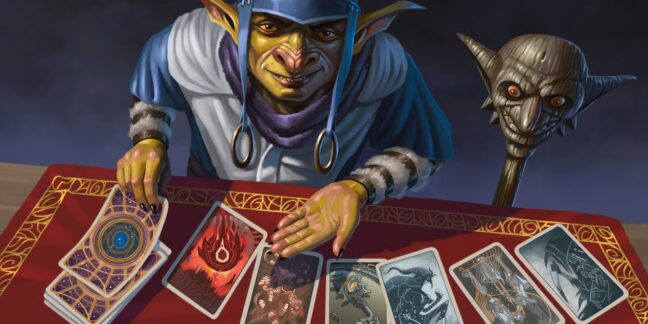
D&D isn’t one game but a framework made up of multiple, overlapping mini-games. They can blend together so smoothly that you don’t notice when you’re switching from one to the other—until something feels off.

Unusually for me, I've spent most of the last six months not DMing but playing. And it's been fun! It's also been a useful reminder of what players love most about RPGs at the table.

Today’s post might seem like an odd proposition, but Borderlands has considerable shared DNA with D&D: its most significant forerunner is probably Diablo, which itself is based on roguelike dungeon-crawlers and ultimately . . . yep, D&D.

If you have played 5th edition D&D in Tier 3 or 4, you will know how difficult it is to challenge players at these levels. A well-optimized party can steamroller through encounters without breaking a sweat. So how do you stop the game getting stale?

Description is probably the most powerful tool we have at our disposal at the table. But it's hard. How do we get better at it?

Vecna is, quite simply, one of the most iconic D&D villains of all time. So how can you run him like a boss?

Encounter balance is a big worry for lots of new DMs out there. Here’s my take on the subject.

Are site-based adventures going out of style? If you think dungeons are unimaginative, repetitive slogs that only reward combat – read on!

Today’s topic is something so iconic within D&D that some people have even named their blogs after it: rolling initiative. Using initiative to determine combat order has a history going all the way back to 1977. But do we need it, really? Or is it an unnecessary hassle? The case for rolling There are two … Continue reading Is rolling initiative a pointless ritual?